
Pflegstro – home nursing and wound care in Vienna
EN
+43 681 10447544Call
Home/Medical home nursing/Stoma & tracheostomy
Medical home nursing · Appointment usually within 48 hours on weekdays

Stoma care: in your home in Vienna

A stoma is an artificial opening on the body. It is created during an operation when the bowel, bladder or airways can no longer work in the natural way. With the right stoma care and the right supplies, you can manage well in everyday life – and we help you with this.

Call nowRequest an appointment →
5.0 from 13 Google reviews · Registered nurses & certified wound managers
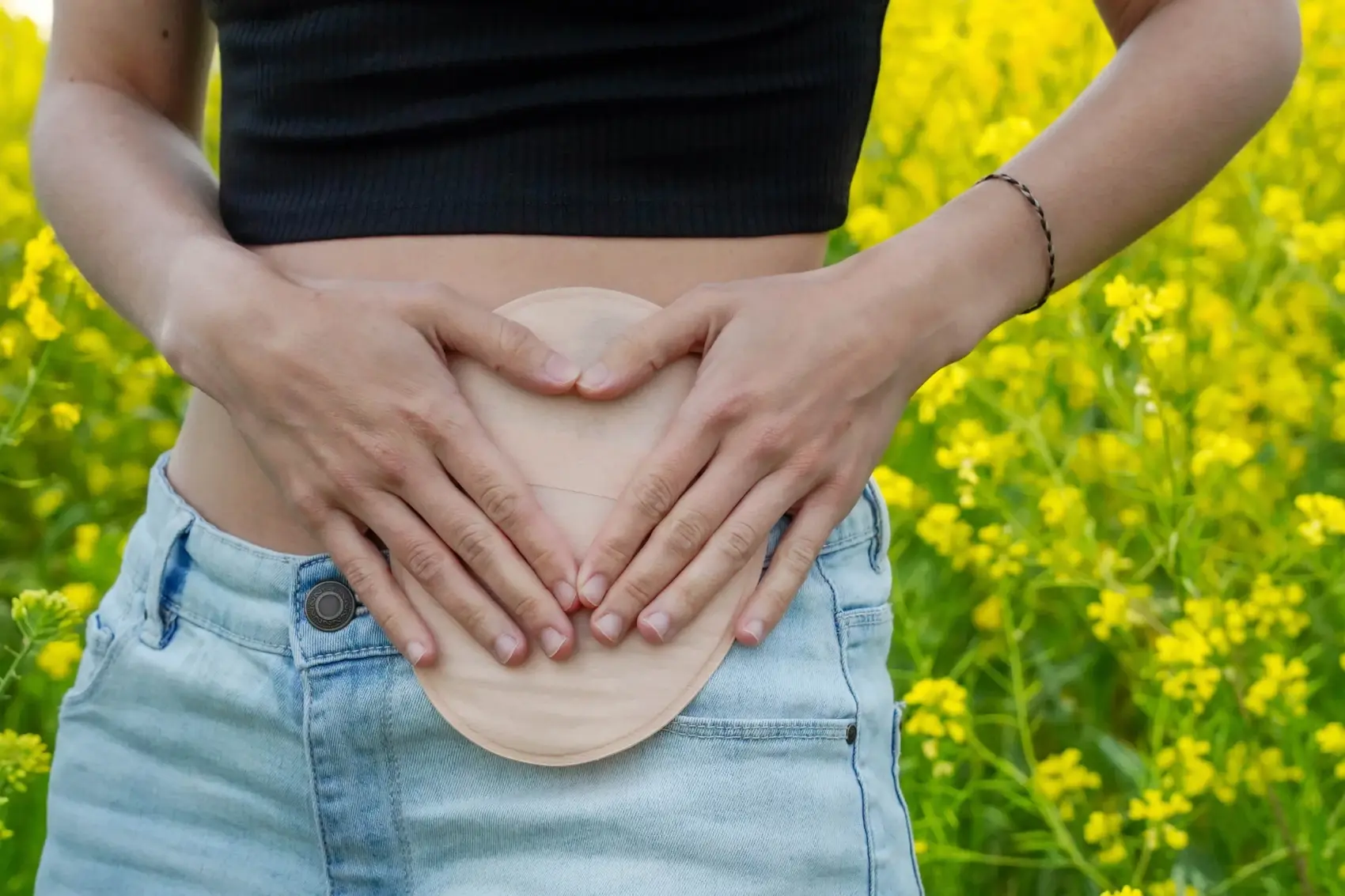
Photo: stoma care in Vienna – enterostomy, tracheostomy, urostomy
Where
In your home, in a care home or in our wound clinics
Duration
approx. 30 minutes
How often
2⁠–⁠3× per week up to daily
Price
from €54

What types of stoma are there?

There are different types of stoma, which can be created depending on your situation and health needs. A bowel stoma (enterostomy) is created on the large intestine (colostomy) or the small intestine (ileostomy) and drains stool into a stoma bag. It is often used for conditions such as bowel cancer, chronic inflammatory bowel diseases (e.g. Crohn's disease or ulcerative colitis) or after injuries.

A urostomy, on the other hand, drains urine, for example after bladder cancer, problems with the ureters or severe bladder injuries. It is fitted with a special bag that collects the urine. Finally, a tracheostomy helps you breathe by creating an opening in the windpipe. It is often necessary with cancer of the larynx, severe respiratory diseases such as COPD or after accidents that affect breathing. Each type of stoma brings its own challenges, but we explain everything to you carefully and adapt the care to your needs.

  • Enterostomy – colostomy or ileostomy on the bowel
  • Urostomy – drains urine
  • Tracheostomy – opening in the windpipe for breathing

The right care and handling

Good stoma care is the key to avoiding skin irritation, infections or leaks – and we help you master it step by step. First, gently clean the skin around your stoma with lukewarm water and a soft cloth. Avoid harsh soaps so that your skin stays healthy. Then measure the stoma opening with a template so that the base plate can be cut to fit exactly – this way everything sits securely and comfortably.

Depending on the system, the base plate is changed about every one to three days, the bag more often if needed. We show you how to remove it carefully and attach a new one. If the skin is irritated, special care products that we recommend can help. Empty the bag in good time. The right diet can help to avoid wind or constipation – we are happy to advise you on this.

Our stoma care includes not only this practical support but also personal conversations, so that you feel confident. As your nursing service in Vienna, we come directly to your home and are there to help you with advice and practical support.

Tracheostomy – causes and care

A tracheostomy connects the windpipe directly with the outside air through an opening in the neck. Common reasons are tumours in the head and neck area (such as cancer of the larynx), neurological diseases such as ALS, a severe stroke or advanced COPD (chronic lung disease). Injuries to the airways, congenital narrowing of the windpipe or long-term ventilation can also make a tracheostomy necessary.

The skin around the opening is sensitive. Clean it gently every day with lukewarm water and a mild cleanser. Then dry it thoroughly. The tracheostomy tube is cleaned or changed regularly according to instructions. We take over the care (approx. 30 minutes per visit), organise tubes and dressing materials, and train you and your relatives.

  • Protect the stoma – a scarf or a special cover keeps out dust and cold
  • Avoid moisture – keep the skin dry, use waterproof covers when showering
  • Keep the airways clear – carefully suction mucus when needed, as instructed
  • Check daily – look out for redness or swelling around the stoma
  • Communication – speaking valves or other aids make speaking easier
  • Hygiene – wash your hands before every contact with the stoma or tube
Care tips

Tips and tricks for living with your stoma

01

Establish a regular routine

Plan your bag change for the morning or evening, when your stoma is less active. This gives you control and saves time.

02

Skin protection is everything

Use skin-friendly barrier rings or creams to prevent irritation. Our registered nurses (DGKP) show you which products suit you best.

03

Adapt your diet

Avoid foods that cause wind, such as pulses or cabbage, and chew well to prevent blockages. Drink enough water.

04

Choose clothing wisely

Loose trousers or skirts with a high waistband hide the bag and are comfortable. Special stoma underwear can give extra support.

05

Carry an emergency kit

Pack a small kit with a spare bag, wipes and adhesive – a real help when you are out and about.

06

Control odours

Bags with odour filters or special odour neutralisers in the bag keep unpleasant smells away.

07

Stay active

Exercise is possible – swimming, yoga or walks support your well-being. Just make sure everything is securely attached.

What patients and relatives say

5.0 from 13 Google reviews

“Ms Schmelzer and her team are absolutely wonderful. They are extremely patient and do perfect work.”

D. L. · Google review, translated from German

“Especially with sensitive issues […] you notice the high level of professional competence. […] great on a human level and absolutely reliable professionally.”

H. K. · Google review, translated from German

“Not only the expertise and the empathetic, friendly manner […], but also the flexibility in finding appointments and the comprehensive advice completely convinced me.”

M. P. · Google review, translated from German

Selected reviews from our Google Business Profile, translated from German (shortened with […]). We have checked that the reviews shown come from people who have experienced our services themselves – as patients, relatives or carers. Partners are labelled. Overall rating: 5.0 out of 5 stars from 13 reviews (as of November 2026). All reviews on Google. Healing outcomes vary from person to person.

Frequently asked questions

How often does a stoma bag need to be changed?

With two-piece systems, the base plate usually stays on for one to three days; you empty or change the bag more often as needed. One-piece bags are changed daily or more often, depending on the type.

How often do you come for stoma care?

Depending on the situation, from daily to two or three times a week. The aim is often that you or your relatives can soon manage the stoma care yourselves – we show you step by step how to do it.

How much does stoma care at home cost?

€54 for up to 30 minutes, €24 per additional started quarter hour. For home visits, there is also a travel fee from €21; in the wound clinic there is none.

What does the health insurance fund pay for with a stoma?

Stoma products such as bags and base plates are usually available through your health insurance fund with a doctor's prescription. Our nursing care is a private service (not covered directly by health insurance); with a doctor's order, the fund usually refunds approx. 10⁠–⁠15% for home visits, in our experience.

What should I do if the stoma bag does not stay on or is leaking?

Often the opening in the base plate no longer fits exactly, or the skin is damp or uneven. Measure the stoma again and dry the skin well. If that does not help, we will look at your supplies and find a suitable system.

Who provides stoma care at home?

Registered nurses like our team – throughout Vienna and the surrounding area, and on request also in our wound clinic in 1030 or 1230 Vienna. We organise the products you need and advise you on skin protection and diet.

Do you also care for a tracheostomy?

Yes. We take over tracheostomy care in your home and organise the products you need. We show you and your relatives how to handle the tube safely.

Book an appointment

  • Mon–Fri, 8:30 am – 6 pmavailable by phone
  • Weekends & public holidaysno home visits or clinic appointments; by phone only to make appointments
  • Callbackusually on the same working day
Phone+43 681 10447544E-mailoffice@pflegstro.atWhatsAppSend a messageA Meta service: when you write, data is sent to WhatsApp.

Not an emergency service – in an emergency:

  • 144Ambulanceif life is in danger (or 112)
  • 1450Health hotline24/7 – also tells you the nearest emergency department
  • 141On-call doctorsnights, weekends and public holidays

Request a callback

Just your name and phone number – we will get back to you usually on the same working day.

What is it about? (optional)

Please do not send diagnoses or photos of wounds – we will discuss them in person. Privacy

More topics: Medical home nursing